

Exploring the North Saskatchewan River's Rich History and the Sturgeon Population Challenges

The North Saskatchewan River has shaped the land and lives of many for centuries. From its origins in the Rocky Mountains to its journey through Alberta and Saskatchewan, this river has been a vital waterway for trade, culture, and nature. Among its many treasures, the Lake Sturgeon population stands out as a symbol of the river’s ecological importance and the challenges it has faced over time. This post explores the river’s history, its role in trade and settlement, and the ongoing efforts to protect the sturgeon that call it home.
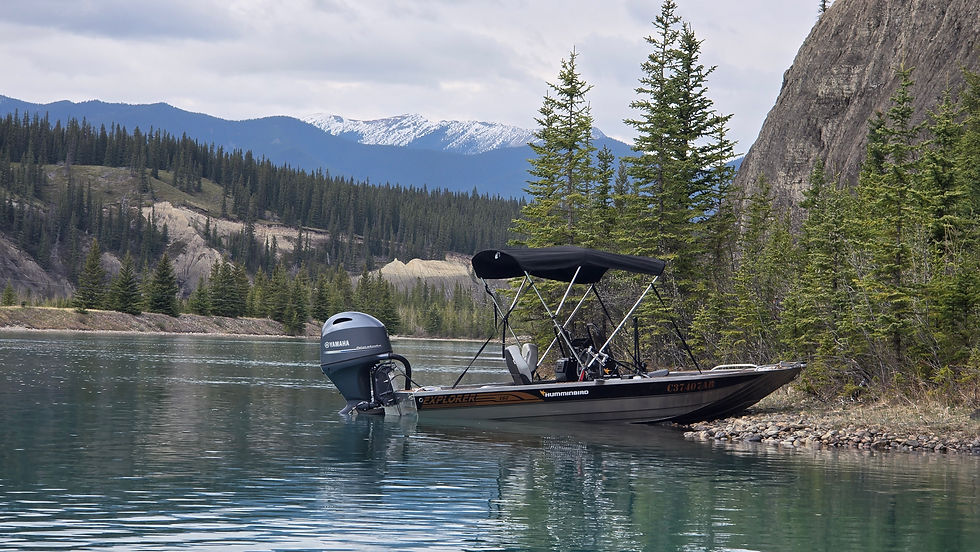
Where the North Saskatchewan River Begins
The North Saskatchewan River starts high in the Canadian Rockies, near the Columbia Icefield in Alberta. It flows eastward for about 1,287 kilometers (800 miles), passing through diverse landscapes including mountains, foothills, and prairie. The river eventually joins the South Saskatchewan River, forming the Saskatchewan River, which continues toward Lake Winnipeg.
This river system has long been a lifeline for Indigenous peoples, providing water, food, and transportation routes. The river’s source in the mountains means it carries cold, clear water rich in minerals, supporting a variety of fish species and wildlife.
The River’s Role in Historic Trade
The North Saskatchewan River played a crucial role in the fur trade era of the 18th and 19th centuries. It served as a major transportation route for Indigenous traders and European fur companies like the Hudson’s Bay Company and the North West Company. Canoes and boats traveled the river, carrying furs, goods, and supplies between trading posts.
Edmonton, located along the river, grew from a fur trading post into a key settlement and trading hub. The river connected remote areas to larger markets, making it essential for economic development in Western Canada.
What Has Shaped the River Today
Several factors have influenced the North Saskatchewan River’s current state:
Natural processes: Seasonal snowmelt and rainfall affect water levels and flow rates. The river’s course has shifted over time due to erosion and sediment deposits.
Human activity: Urban development, agriculture, and dam construction have altered the river’s flow and water quality. Edmonton’s growth has increased demand for water and recreational use.
Conservation efforts: In recent decades, there has been a focus on protecting the river’s ecosystem, improving water quality, and restoring habitats for fish and wildlife.
These influences have created a river system that balances human needs with environmental health, making it a valuable resource for communities and nature alike.
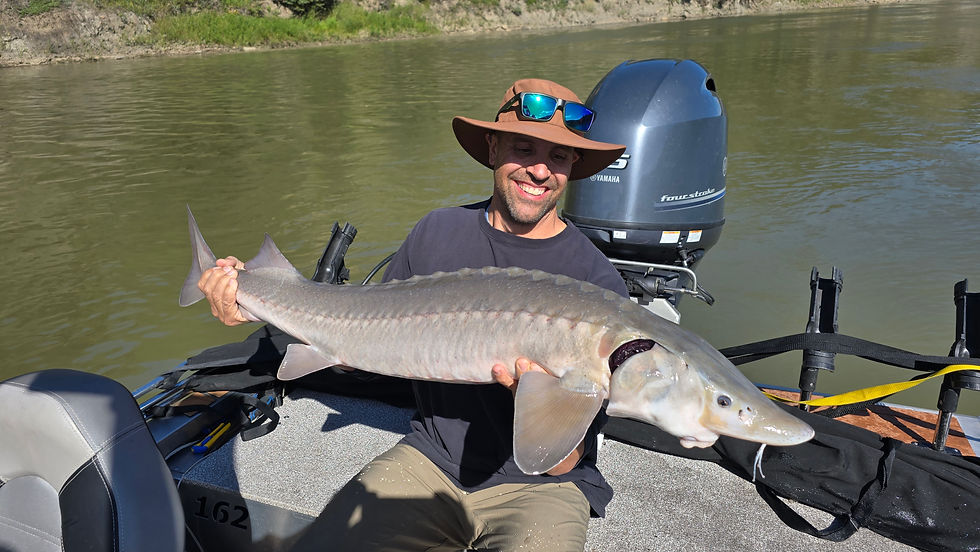
The Sturgeon Population in the North Saskatchewan River
Among the river’s fish species, the sturgeon is one of the most remarkable. The lake sturgeon, a prehistoric fish species, can live for over 100 years and grow to impressive sizes. These fish are bottom feeders, relying on clean riverbeds and healthy aquatic ecosystems.
Challenges Faced by Sturgeon
The sturgeon population has faced many challenges throughout the river’s history:
Habitat loss: Dams and water diversions have blocked migration routes and changed river habitats.
Pollution: Agricultural runoff, industrial waste, and urban development have degraded water quality.
Overfishing: In the past, sturgeon were heavily fished for their meat and roe, leading to population declines.
Slow reproduction: Sturgeon mature late and reproduce infrequently, making recovery slow.
Conservation and Recovery Efforts
Efforts to protect and restore sturgeon populations include:
Habitat restoration: Projects to improve riverbeds and remove barriers help sturgeon move freely.
Fishing regulations: Limits and bans on sturgeon fishing reduce pressure on populations.
Research and monitoring: Scientists track sturgeon numbers and health to guide conservation.
Community involvement: Local groups and Indigenous communities participate in stewardship and education.
These actions have helped stabilize some sturgeon populations, especially around Edmonton, where the river supports a thriving fishery.
The North Saskatchewan River Today: A Great Fishery Near Edmonton
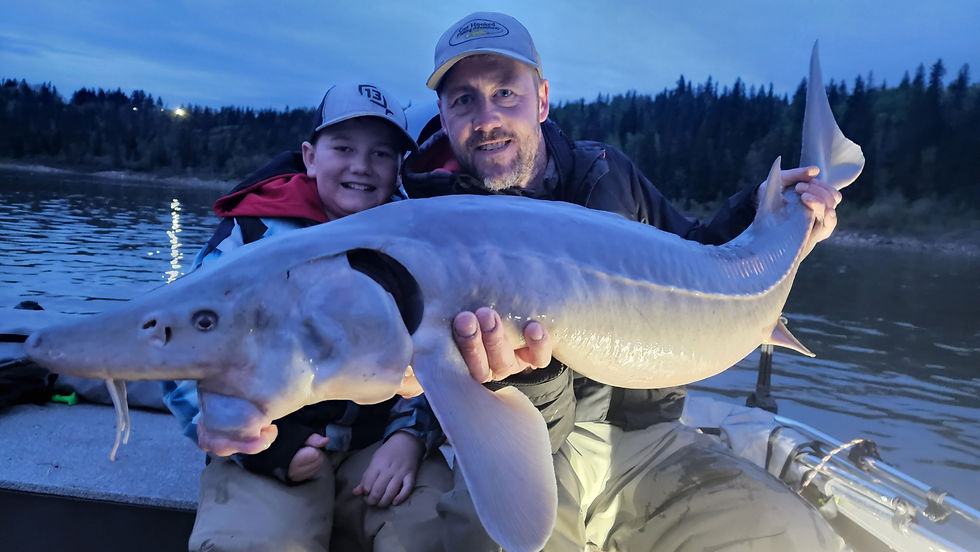
Today, the North Saskatchewan River near Edmonton is known for its excellent fishery. Anglers come to catch species like walleye, northern pike, and sturgeon. The river’s clean water and diverse habitats support a healthy ecosystem.
The city and surrounding communities value the river not only for recreation but also for its cultural and ecological significance. Efforts to maintain water quality and protect fish habitats continue to be a priority.
Why the North Saskatchewan River Matters
The North Saskatchewan River is more than just a waterway. It connects history, culture, and nature in a unique way. Its role in trade shaped Western Canada’s development, while its natural beauty and wildlife provide enjoyment and sustenance today.
Protecting the river and its sturgeon population requires ongoing attention and care. By understanding the river’s past and present, we can support its future as a vital resource for generations to come.


Comments