

Fish Handling Techniques and Safety Practices for Anglers

Fishing in Alberta offers incredible opportunities to connect with nature and enjoy some of the province’s most beautiful waterways. Whether you’re casting a line in a serene mountain lake or a rushing river, handling fish properly and practicing safety are key to preserving fish populations and protecting yourself. This guide shares practical tips and techniques to help Alberta anglers improve their fish handling skills and stay safe while fishing.
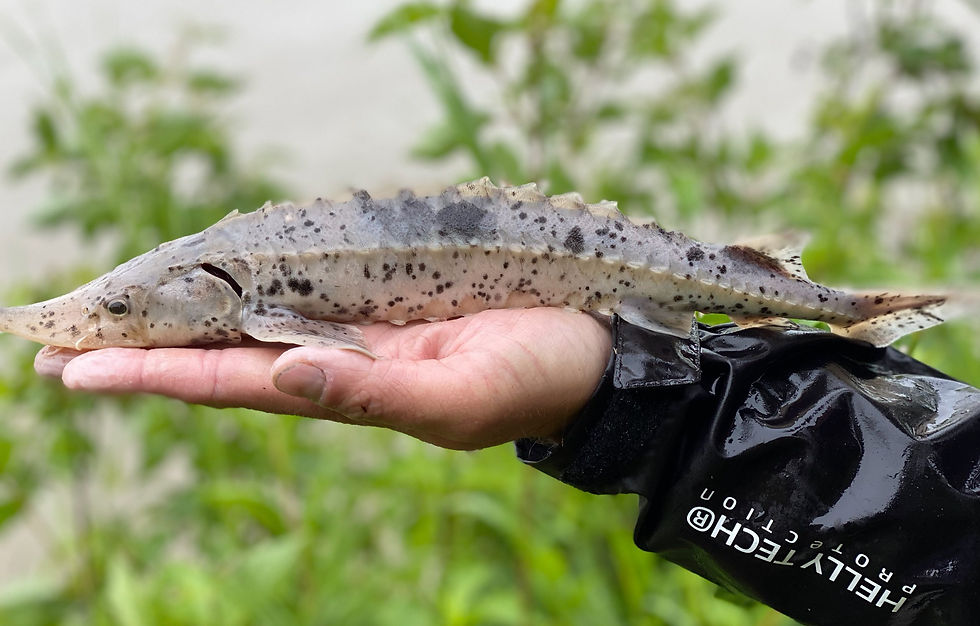
Why Proper Fish Handling Matters
Fish handling affects the survival of released fish and the health of aquatic ecosystems. When fish are caught and released, improper handling can cause injuries, stress, or death. Alberta’s fisheries are managed to support sustainable angling, so every effort to reduce harm helps maintain healthy fish populations for future anglers.
Good fish handling also improves your fishing experience. Fish that are treated carefully are easier to release quickly, reducing time out of water and increasing their chances of survival. It also shows respect for the environment and the sport.
Preparing Before You Fish
Preparation is the first step to safe and effective fish handling. Here are some key points to consider before you start fishing:
Use barbless hooks or pinch down barbs: This makes hook removal easier and less damaging to fish.
Keep your gear ready: Have pliers, a de-hooker, and a measuring tape within reach.
Wet your hands: Dry hands can remove the protective slime coating on fish, increasing their risk of infection.
Plan for quick release: Have a camera ready if you want photos, but keep handling time short.
DO NOT USE PICKEREL RIGS - Pickerel rigs often snag bottom and break off leaving bait stuck on a hook stuck to the river bottom, For bait fishing Consider a sliding Carolina rig
Techniques for Handling Fish Safely
When you catch a fish, your goal is to minimize stress and injury. Follow these steps to handle fish safely:
1. Minimize Air Exposure
Fish breathe through gills and cannot survive long out of water. Keep fish in the water as much as possible. If you need to remove the fish from water, limit air exposure to under 15 seconds.
2. Support the Fish Properly
Use both hands to support the fish’s body. One hand should cradle the belly, and the other should hold gently behind the head or near the tail. Avoid squeezing or holding fish by the gills or eyes.
3. Remove Hooks Carefully
Use needle-nose pliers or a hook remover tool to gently back the hook out. If the hook is deeply embedded or difficult to remove, cut the line close to the hook instead of forcing removal.
4. Avoid Touching the Gills
The gills are delicate and essential for fish survival. Never insert fingers into the gill openings or hold the fish by the gills.
5. Handle Fish on Soft Surfaces
If you need to place the fish down, use a wet towel, soft net, or wet grass. Avoid placing fish on dry, hot, or rough surfaces that can damage their skin and scales.
Handling Different Fish Species in Alberta
Alberta is home to a variety of fish species, each with unique handling needs. Here are tips for some common species:
Trout (Rainbow, Cutthroat, Bull): Handle with wet hands and avoid squeezing. Trout have sensitive skin and slime coating.
Northern Pike: Use long-nose pliers for hook removal. Pike have sharp teeth, so keep fingers clear of their mouth.
Walleye: Support the body firmly but gently. Walleye have sharp dorsal spines, so be cautious when handling.
Lake Whitefish: Handle gently and avoid dropping. These fish have delicate scales.
Safety Practices for Anglers
Fishing safety goes beyond fish handling. Protect yourself and others by following these guidelines:
Wear a life jacket: Especially when fishing from a boat or near deep water.
Use sun protection: Wear a hat, sunglasses, and sunscreen to prevent sunburn.
Stay hydrated: Bring plenty of water, especially on hot days.
Be aware of weather: Check forecasts and avoid fishing during storms or high winds.
Handle hooks and knives carefully: Keep sharp tools away from your body and others.
Know local regulations: Follow Alberta fishing rules, including catch limits and seasonal restrictions.
Releasing Fish Properly
Releasing fish correctly increases their chances of survival. Here’s how to do it right:
Hold the fish gently in the water, facing upstream if in a river.
Allow the fish to regain strength and swim away on its own.
Avoid throwing or dropping fish back into the water.
Using Nets and Other Tools
Nets can help reduce fish handling time and injury if used correctly:
Use rubber or knotless nets to protect fish scales and slime.
Keep the fish in the net while unhooking.
Avoid dragging fish on dry surfaces.
Handling Fish During Cold and Warm Seasons
Temperature affects fish metabolism and stress levels:
In cold water, fish are more sluggish but still need gentle handling.
In warm water, fish are more stressed, so minimize handling time and air exposure.
Practical Example: Catch and Release of a Rainbow Trout
Imagine you catch a rainbow trout in an Alberta mountain stream:
Wet your hands before touching the fish.
Keep the fish in the water while removing the hook with pliers.
Support the fish with one hand under the belly and the other near the tail.
Limit air exposure to under 10 seconds if you want a quick photo.
Gently release the trout facing upstream and wait until it swims away.
This approach helps the trout recover quickly and swim off healthy.
Handling fish carefully and practicing safety protects Alberta’s fisheries and enhances your fishing trips. By following these techniques, you contribute to sustainable fishing and enjoy the sport responsibly. Next time you head out, remember these tips to keep fish healthy and yourself safe.


Comments